
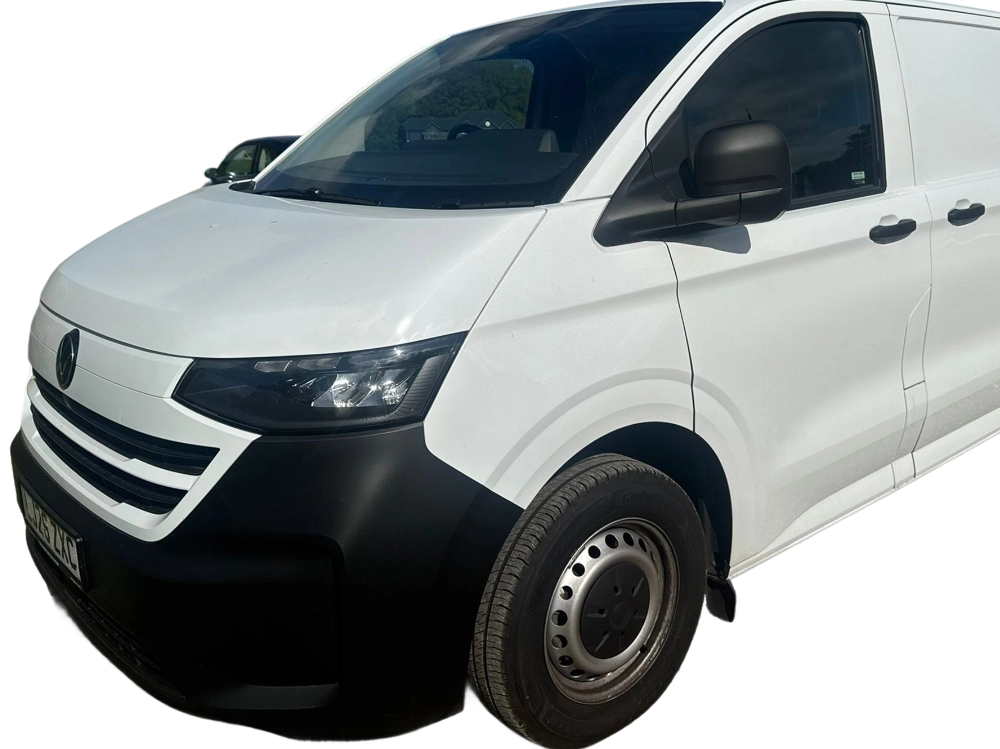
A busy period can put pressure on a drainage business long before every appointment slot is filled. Longer travel times, overlapping callouts and equipment servicing can leave little room for unexpected work. Planning a drainage van lease in Hertfordshire around seasonal demand starts with understanding when additional capacity will be useful and how long you are likely to need it.
The busiest months will differ between businesses. Some contractors see fluctuations in domestic callouts, while others work around commercial maintenance schedules or the start of new contracts. Looking at your own workload is more useful than assuming that every drainage company follows the same seasonal pattern.
At Means Hire, we provide specialist drainage jetting vans, hire and leasing options, and equipment support. Discussing your expected workload with our team helps establish which vehicle specification and arrangement could suit your business.
Start With Your Booking History
Before committing to another vehicle, review when your existing fleet has struggled to keep up.
Look beyond the total number of jobs completed each month. A period with fewer bookings may still place significant demands on your team if the work involves longer site visits, greater travel distances or repeat attendance.
Useful information to review includes:
- Enquiries you could not accommodate.
- Jobs delayed because a suitable van was unavailable.
- Overtime needed to complete scheduled work.
- Vehicle downtime and servicing dates.
- Work passed to subcontractors.
- Confirmed contracts due to start or expand.
This gives you a clearer picture of whether you need another van throughout the year or additional capacity for a shorter period.
For a drainage van lease in Hertfordshire, it also helps to consider where your jobs are concentrated. A second vehicle may improve scheduling if teams regularly cover different parts of the county, provided you have the staff and workload to support it.
Separate Confirmed Work From Expected Demand
It is easy to plan around your busiest possible month. A more useful approach is to distinguish between work already secured and enquiries that may or may not become bookings.
Start with recurring maintenance commitments and signed contracts. Then consider your typical callout volume and any credible opportunities likely to increase demand.
For example, a contractor taking on regular work across several commercial sites may have a stronger case for longer-term vehicle capacity than one responding to a temporary rise in enquiries.
Ask what would happen if the anticipated work arrived later than expected. Would the additional van still have a productive role? Could it support existing contracts or allow maintenance to be scheduled more conveniently?
These questions help you choose an arrangement based on realistic operating needs.
Match the Agreement Length to the Workload
Seasonal demand does not automatically make a long-term lease the right choice. The appropriate arrangement depends on the duration and consistency of the additional work.
A temporary increase in bookings may suit a shorter hire arrangement. A sustained expansion, such as a new maintenance contract or an additional permanent team, may justify discussing a longer lease.
Means Hire offers both hire and longer-term leasing options. Before agreeing terms, explain when you need the van, how long the work is expected to last and whether the end date could change.
Clarify the notice requirements, extension options and any charges associated with changing or ending the agreement. Understanding these details at the outset helps you assess the commitment alongside your workload.
Choose the Jetting Specification for the Jobs
An additional van only provides useful capacity if its equipment suits the work you expect it to undertake.
Means Hire lists jetting configurations including 3,000 PSI at 8 GPM, 3,000 PSI at 12 GPM and 4,000 PSI at 12 GPM. These specifications provide a starting point for discussing equipment requirements; the highest pressure option is not automatically the most appropriate choice for every job.
Explain the types of drainage work your team carries out, the equipment and accessories required, and any site access constraints. Ask the team to confirm the suitability of the proposed setup and what is included with the vehicle.
When arranging a drainage van lease in Hertfordshire, consider whether the additional vehicle will handle the same jobs as your current vans or take on a different role. This can influence the specification you need.
Consider Water Capacity Alongside the Full Working Load
Water capacity matters when planning a working day, particularly where refill opportunities are limited. However, it needs to be considered alongside vehicle payload, equipment and the tools your team carries.
Means Hire advertises baffled water tank configurations ranging from 200 to 600 litres across its fleet. Confirm the tank size and permitted working load of the specific vehicle offered.
Describe your usual setup, including crew, tools and additional equipment. Ask how these requirements affect the suitable vehicle configuration and operating arrangements.
Planning this before collection helps avoid choosing a van that appears suitable on paper but does not fit the practical demands of your work.
Plan for Servicing During Busy Periods
An expanding diary can make it tempting to postpone maintenance planning. However, vehicle and equipment availability should be part of the same conversation as additional capacity.
Review upcoming service dates across your existing fleet. If several vehicles are due attention during a busy period, discuss how the additional van could support continuity while planned work takes place.
Means Hire advertises maintenance support and 24/7 assistance for its jetting equipment. Confirm the precise cover provided under your agreement, including reporting procedures, exclusions and the arrangements available if a problem occurs.
Support availability should not be treated as a guarantee of an immediate replacement. Knowing the process in advance helps your team respond promptly and communicate accurately with customers.
Make Sure Staffing and Scheduling Keep Pace
Another van does not automatically mean another productive team. Consider who will operate it, how work will be allocated and whether your office can manage the additional bookings.
Allow time for vehicle handover, equipment familiarisation and any training required for the work. Confirm driver eligibility and insurance arrangements before the vehicle enters service.
Scheduling also deserves attention. Grouping jobs sensibly can reduce unnecessary travel, while leaving realistic gaps between appointments helps accommodate delays.
For businesses serving both local domestic customers and larger commercial sites, allocating clear roles to each vehicle can make the additional capacity easier to manage.
Review the Full Cost Before Committing
The lease payment is only one part of the operating cost. Fuel, staffing, insurance, consumables and any charges outside the agreement also need to be considered.
Compare those costs with realistic expected work, allowing for quieter weeks and payment delays. A full diary is useful, but the timing of customer payments also affects how comfortably a business can meet its commitments.
Request a clear quotation and check exactly what it includes. Ask about mileage allowances, deposits, maintenance responsibilities and return conditions where applicable.
Discuss Your Seasonal Requirements With Means Hire
Planning ahead gives you time to compare arrangements, confirm specifications and prepare your team before demand increases.
At Means Hire, we can discuss your expected workload and the drainage jetting van options available. Whether you are preparing for a new contract, replacing an ageing vehicle or assessing additional capacity, a clear brief helps us understand what your business needs.
Call 0208 099 9999 to discuss a drainage van lease in Hertfordshire and request a quotation based on your requirements.
