
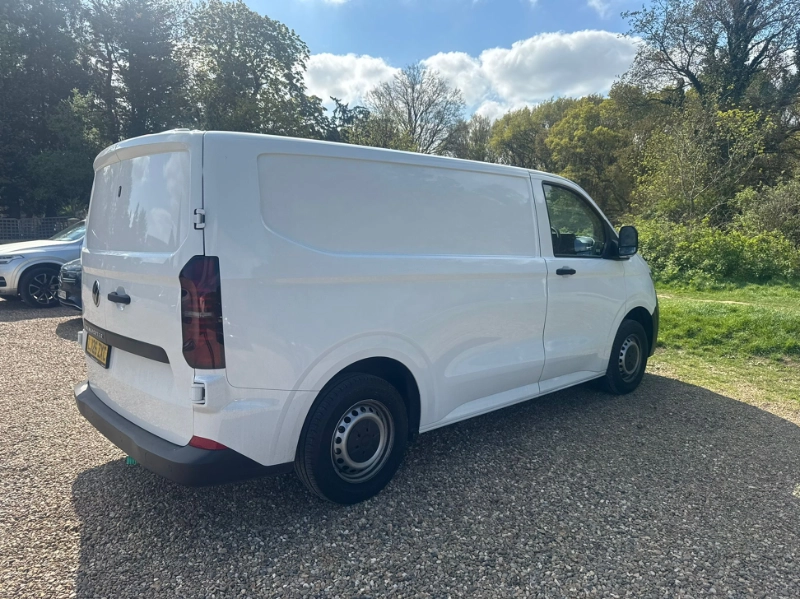
Every ambitious drainage contractor reaches a critical crossroads where consistent business expansion demands an additional vehicle. It is a massive, exciting milestone for any growing company. Seeing a pristine, high-capacity panel van outfitted with a high-pressure van-pack jetter parked in your yard signals that your business is moving into the premium tier of the trade.
Naturally, many business owners default to traditional acquisition models: either buying a van and its jetting kit outright using hard-earned cash reserves, or signing up for rigid, multi-year asset finance loans to eventually own the asset.
However, as the commercial and regulatory climate in the UK fluctuates, the underlying mechanics of fleet management have changed dramatically. Today, the real debate for independent contractors and regional managers centres around a critical operational question: should I buy or rent a jetting van to protect long-term business health?
Before committing your company to a heavy, long-term financial debt, it is vital to weigh up the exact advantages and disadvantages of opting for an operational fleet model. Let’s look at the definitive pros and cons of drainage van hire to help you make the smartest decision for your bottom line.
The Pros of Drainage Van Hire
Despite those limitations, shifting toward a flexible operational hire model offers massive, modern business advantages that outright purchasing simply cannot match:
1. Protection of Vital Business Cash Flow
Sinking £40,000 to £60,000 of liquid cash into buying a custom-built utility van-pack freezes your capital. Even with finance, massive upfront deposits are required. In the drainage industry, liquid cash is your absolute lifeline. If a major commercial client delays paying a massive invoice for 60 or 90 days, you cannot pay your staff’s wages or clear your fuel cards using the equity tied up in the pump sitting in the back of your van. Hire requires zero massive upfront capital outlays, keeping your bank balance healthy and agile.
[Outright Purchase] -> Large Capital Outflow + 100% Depreciation Risk + Variable Repair Invoices
[Drainage Van Hire] -> Low Monthly Payment (OpEx) + Zero Depreciation Risk + Fixed Running Costs
2. Zero Maintenance Risk and Stabilised Running Costs
High-pressure jetting pumps, hydraulic hose reels, and electronic remote systems are high-stress pieces of machinery operating under extreme tolerances. When you own the vehicle, the exact moment a ceramic plunger pump block cracks or an engine component fails on-site, the financial burden of specialized labor, mobile mechanics, and replacement parts rests entirely on your shoulders.
Under a trade hire framework, drainage vehicle running costs are entirely stabilised. Routine mechanical servicing, vehicle tracking, tire replacements, and independent high-pressure safety certifications are completely handled by the provider. If a system fails, it isn’t a business crisis—the vehicle is repaired or swapped out seamlessly, reducing your downtime to near zero.
3. Perfect Contract Matching and Scaling
The drainage industry is notoriously cyclical. Securing a lucrative, 6-month structural cleaning framework for a regional local authority or a housing association is fantastic news, but it frequently requires you to double your fleet capacity overnight. If you purchase vans to cover that workload, what happens to those vehicles when the contract ends and the revenue stops? With hire, you can scale your fleet to perfectly match your active project pipeline. When the workload spikes, you add unbranded jetting vans immediately. When the project wraps up, you return them without penalty.
4. Instant Regulatory and Environmental Compliance
Navigating UK environmental legislation is an ongoing minefield. Driving an older, non-compliant diesel van into Ultra Low Emission Zones (ULEZ) or Clean Air Zones (CAZ) in cities like London, Birmingham, or Bristol triggers crippling daily penalties. Furthermore, Tier-1 construction sites increasingly mandate that secondary jetting engines must meet strict Stage V emissions standards.
Premium trade hire fleets continuously cycle their stock. When you hire, you are guaranteed a Euro 6 compliant van equipped with a fully certified Stage V jetting rig, allowing your team to deploy anywhere in the country with total peace of mind.
5. Significant Tax Efficiencies
The tax differences are substantial. When you buy a van, you have to write the asset down slowly over several years using complex capital allowance rules. However, operational hire payments are treated as a direct business expense (OpEx). This means you can typically offset 100% of the monthly hire costs directly against your corporation tax bill in the exact same financial year the money was spent.
The Operational Balance: Understanding the Considerations of Hire
When evaluating a fleet hire model, the main consideration for contractors is that payments go toward an operational service rather than building long-term vehicle ownership on the company balance sheet. Because you are operating a managed asset, permanent or destructive structural modifications to the vehicle’s chassis are generally restricted, and operators must plan their rolling hire agreements in advance during peak seasonal surges—such as winter freeze snaps—to guarantee vehicle availability. For established businesses with dedicated in-house mechanics who prefer to modify their rigs permanently and run vehicles into the ground over a ten-year period, purchasing remains a traditional option; however, for fast-growing contractors, these minor tradeoffs are heavily outweighed by the massive financial and operational safety nets that a managed fleet provides.
Final Verdict: Which Path Is Right for Your Fleet?
Ultimately, if your business has completely predictable, unchanging, long-term utility contracts, a massive surplus of liquid capital, and an in-house workshop equipped to handle advanced high-pressure pump diagnostics, an outright purchase may fit your long-term goals.
But if you operate in the fast-paced, emergency-driven world of commercial and residential drainage, protecting your cash flow and maintaining total operational agility is paramount. Choosing a dedicated drainage van hire model allows you to scale your fleet dynamically, present a modern, unbranded professional image to premium clients, and eliminate unexpected repair bills from your balance sheet entirely.
